Free from UK Landlines

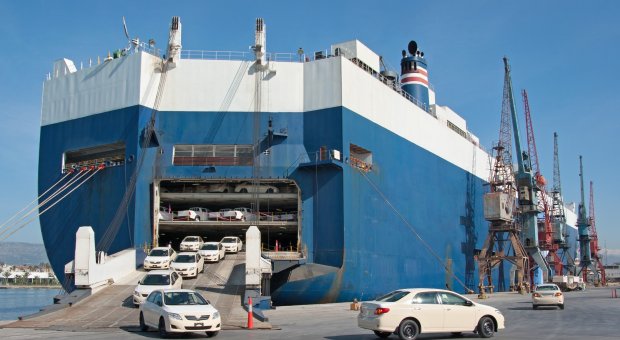


Importing into the UK?
Contact us to see if we can help you.
Why not see if we can help with paying the excise duty to UK Customs
UK Customs Clearance
When it comes to Customs clearance, experience is everything. We at UK Import Services Limited have been providing a full logistics service, including both UK Customs clearance and a nationwide UK delivery service for many years now, from International Corporations, down to Private Individuals. Please click here to see a full list of services on offer.
Whether its personal use or for business (Commercial) reasons, importing goods can be a cheaper and more exciting way of buying any goods, and one that offers endless choice. The purpose of this site is to explain everything you need to know before deciding if its the right choice for you.
We do offer a Fast Track service. Please contact our Imports Team for more details.
3 reasons why you should use a Customs broker
01. Making a complicated process, easy
Since the introduction (in 2022) of the Customs declaration form on the new Customs ‘CDS’ system, you can no longer arrange the Customs clearance of your goods/item directly with HMRC. Now you will need to employ the services of a Customs broker.
We can certainly assist you with this. Please contact our experienced team who will be able to advise on the procedures and costs involved.
02. Speeds up the Customs process
When things are done right the first time, the amount of time that your goods are held pending release from Customs can be reduced.
Depending on the service required and time which you give us your instructions and copy documents, we do offer a same-day ‘Fast Track’ Customs Clearance service. Please ask a member of our Import Team for more details via the email address or phone number on our website.
This means that not only do you get your goods quicker, but you also minimise the chance of incurring storage charges.
03. Paying a small fee which could save you a lot of money
As mentioned in number 2, delays in Customs clearance could result in storage charges being incurred.
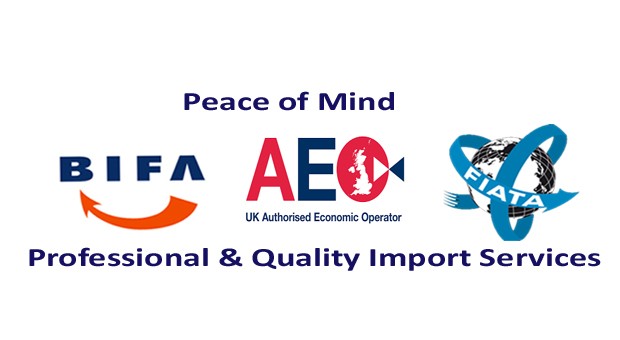
Likewise, in number 1, by not using an ‘AEO’ accredited Customs broker, your goods may not be declared to Customs correctly, which could result in you paying more duty and/or VAT than you need to.
(Click on the above blue lines to expand for full explanation)
Contact us today to see how much we would charge you for assisting you with clearing your goods through UK Customs… hopefully it would be less than you think.
So, why don’t we just say how much we charge?
Well, this depends on a few different factors, such as: the service on which your goods arrive:
- Air cargo
- Sea Freight
- Road Freight (Van / Truck)
- Ferry (Car, Van, Motorcycle, Pick-up etc.)
- Parcel (HWDC/SPP)
Plus the place where the goods have arrived, such as:
Note: These are just some examples of the UK Ports and Airport. Click here to view a larger list of locations in the UK
Remember: Shipping and Customs clearance doesn’t have to be expensive, but choosing the wrong agent could be!™ ukimports
Popular pages:
Product Information
Customs Clearance
- Basic Import Advice
- Broker Agent Information
- UK Commodity Classification Codes
- Customs Declaration Service (CDS)
- Customs Exchange Rates
- Customs Freight Simplified Procedures
- Frequently Asked Questions
- How to Calculate UK Import Duty
- Customs Procedure Codes
- Import Duty VAT Calculator
- Inward Processing Relief
- Outward Processing Relief
- Return Goods Relief
Contact us to see if we can help you.
Why not see if we can help with paying the excise duty to UK Customs
Share to
Global Shipping and UK Customs Broker
PO Box 832
Rainham
Kent
ME8 1DQ
United Kingdom
Designed by UK Imports
© 2024 UK Import Services Ltd - All rights reserved
Disclaimer: UK Import Services Ltd is not responsible for any content or advice given in any external site and we are not endorsing or promoting any product or company referred to on our site.